Creating a home office that is both cozy and productive can make a significant difference in how you work and feel throughout the day. Whether you work remotely full-time or occasionally need a dedicated space for projects, setting up an environment that fosters focus while feeling inviting is essential. Here are some practical tips to help you design a home office space where you can thrive.
Choose the Right Location
Finding the ideal spot in your home is the first step. Consider these points when selecting the area:
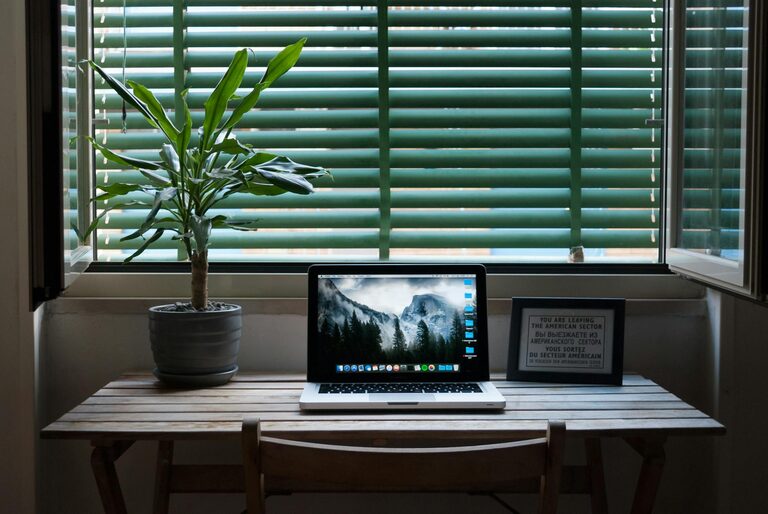
– Natural Light: A space near a window boosts mood and energy. It helps reduce eye strain and offers a view to rest your eyes.
– Quiet Environment: Choose a room or corner with minimal noise or distractions for better concentration.
– Size and Layout: Your chosen area should comfortably fit your desk, chair, and storage solutions without feeling cramped.
If space is limited, try to carve out a small nook or use room dividers to define your workspace.
Invest in Comfortable and Functional Furniture
Your furniture is the foundation for comfort and usability.
– Ergonomic Chair: A chair that supports good posture and is adjustable can help avoid back pain during long work sessions.
– Appropriate Desk: Depending on your work, opt for a desk with enough surface area for your computer and essentials.
– Adjustable Options: Standing desks or adjustable desks let you alternate between sitting and standing, which is great for health and focus.
Make sure your chair and desk heights align to reduce strain on your neck, wrists, and back.
Organize with Smart Storage Solutions
Keeping your workspace tidy can help clear your mind and improve efficiency.
– Shelving and Cabinets: Use shelves or a filing cabinet to store books, documents, and office supplies.
– Desk Organizers: Small trays or holders on your desk keep frequently used items within reach.
– Cable Management: Use clips or sleeves to keep cords neat and prevent clutter.
Try to keep only things you use daily on your desk to maintain a clean, distraction-free area.
Add Personal Touches and Soothing Elements
A welcoming space feels more inviting and motivates you to spend time there.
– Decor: Choose artwork or decor that inspires you but avoid overly busy patterns or colors.
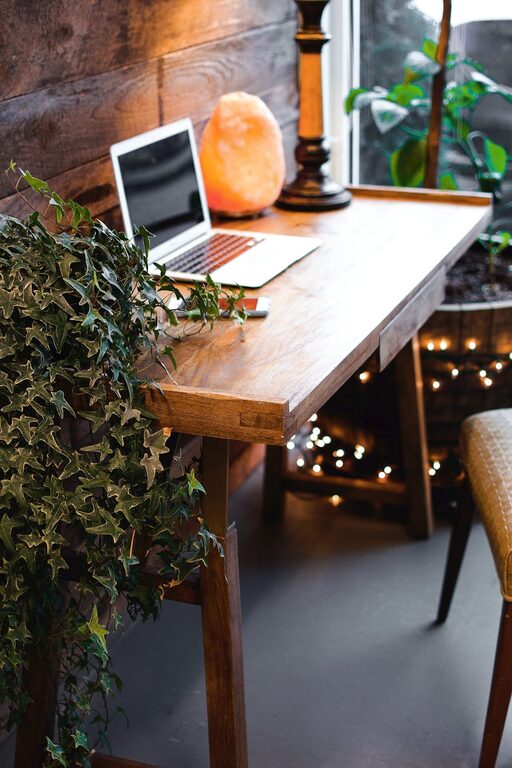
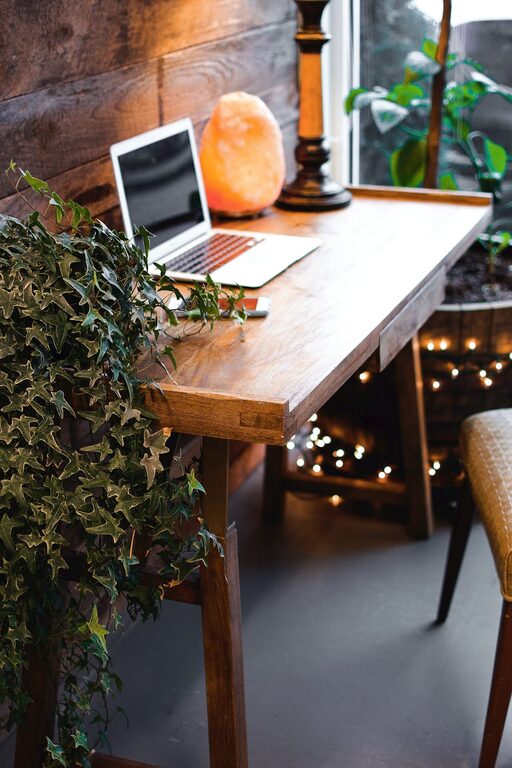
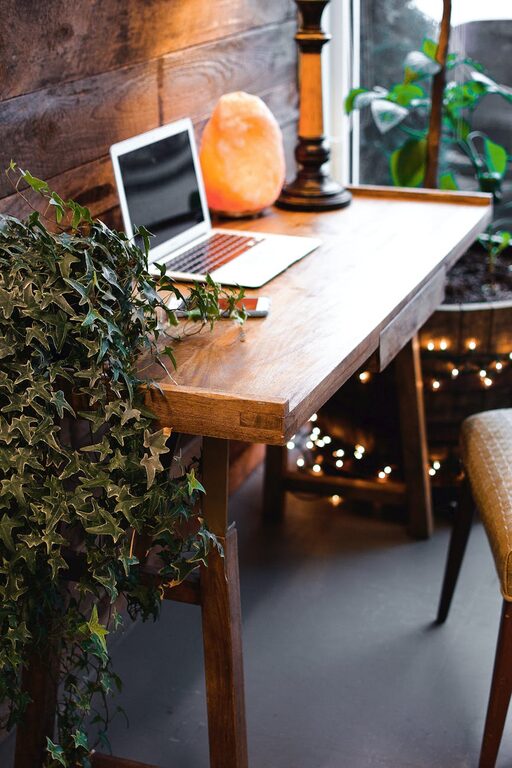
– Greenery: Adding plants can purify the air and create a pleasant atmosphere.
– Textiles: Soft rugs, curtains, or cushions add warmth and reduce echoes or harsh sounds.
Balance the decor so your office feels personalized but remains professional and focused.
Control Lighting and Reduce Eye Strain
Good lighting is vital for productivity and comfort.
– Layered Lighting: Combine ambient light with task lighting, such as a desk lamp.
– Adjustable Brightness: Lighting with dimmers or adjustable bulbs helps you customize the brightness depending on the time of day.
– Screen Position: Position your computer screen to avoid glare from windows or lights.
Consider warm light tones to create a cozy atmosphere, especially during late working hours.
Manage Noise and Minimize Distractions
A calm environment helps maintain focus.
– Noise-Canceling Headphones: Useful if your home is noisy.
– Soft Background Music: Some people find low-volume music helps concentration.
– Declutter Visual Distractions: Keep your workspace neat and avoid having unrelated items in your line of sight.
Setting boundaries with family or housemates about your work hours helps reduce interruptions.
Incorporate Technology Wisely
Technology should support your workflow without causing frustration.
– Reliable Equipment: Invest in a good-quality computer, monitor, keyboard, and mouse.
– Fast Internet: Ensure your internet connection is stable and fast.
– Useful Apps: Use productivity and organization apps that help manage tasks and schedules.
Keep your software updated and organize digital files for easy access.
Keep Your Office Well-Ventilated and Comfortable
Physical comfort impacts your work quality.
– Temperature Control: Keep the room at a comfortable temperature, using fans or heaters as needed.
– Fresh Air: Open windows when possible to circulate fresh air.
– Comfort Breaks: Schedule short breaks to stretch and rest your eyes regularly.
A comfortable physical environment promotes lasting productivity and well-being.
Conclusion
Designing a cozy and productive home office is about balancing functionality with comfort. By selecting the right location, investing in ergonomic furniture, organizing efficiently, and personalizing your space thoughtfully, you can create a workspace that not only enhances your productivity but also offers a pleasant environment to work in every day. Remember, your home office should support your work style and make your day more enjoyable. Start small and adjust as you discover what works best for you!

Related Posts