Creating a home office that feels cozy yet productive can make a big difference in your work-from-home experience. Whether you’re setting up a new space or improving an existing one, your environment can affect your mood, focus, and efficiency. Here are practical tips to help you build a home office that supports both comfort and workflow.
1. Choose the Right Location
Find a Quiet Spot
Select a part of your home with minimal distractions. If possible, pick a room or corner away from noisy areas like the living room or kitchen. This helps reduce interruptions and keeps your mind clear.
Consider Natural Light
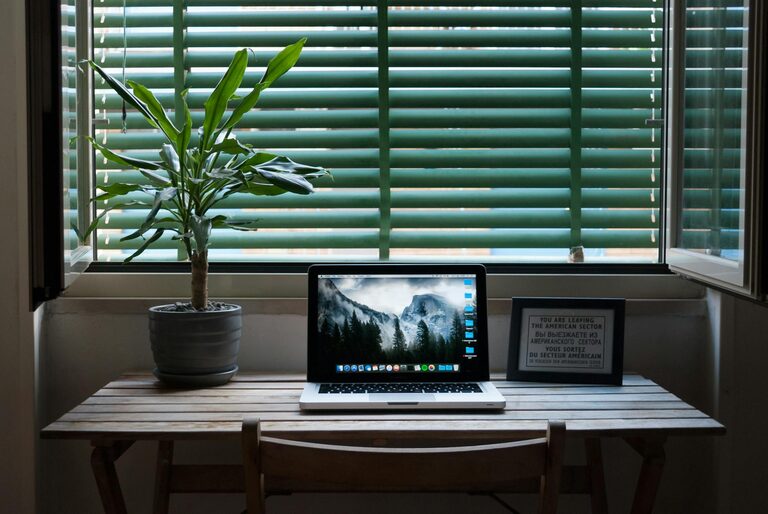
Try to set up near a window to enjoy natural daylight. Sunlight boosts your mood and keeps you alert, but avoid placing screens where glare might be an issue.
2. Invest in Comfortable Furniture
Ergonomic Chair and Desk
Your chair and desk are the foundation of a comfortable workspace. Look for an adjustable chair with good back support and a desk that fits your height. Ergonomics help prevent strain and fatigue during long work hours.
Personalize Your Desk
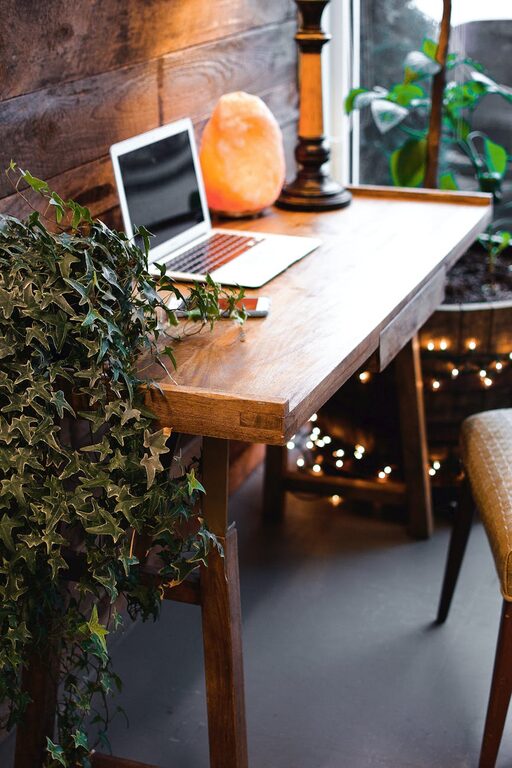
Add a desk mat, a small plant, or photos that make the space welcoming. A tidy, personalized area can motivate you and reduce stress.
3. Optimize Lighting
Layered Lighting
Besides natural light, use a combination of overhead lights and task lamps. Adjustable desk lamps allow you to focus on specific tasks and reduce eye strain.
Warm Light for Coziness
Choose warm-toned bulbs instead of harsh white light to create a calming atmosphere, especially during evening work.
4. Keep Technology Organized
Manage Cables
Use cable organizers or clips to keep wires out of the way. A neat setup reduces clutter and distractions.
Essential Tools Only
Limit your equipment and gadgets to what supports your tasks. Having a clear, functional tech setup helps streamline your workflow.
5. Incorporate Storage Solutions
Declutter Regularly
Keep only necessary items on your desk. Use drawer organizers and shelves to store documents and supplies neatly.
Use Vertical Space
Wall-mounted shelves or pegboards save surface space and keep your tools within easy reach.
6. Add Comfort Elements
Soft Textiles
Incorporate cushions, rugs, or blankets to soften the space visually and physically. These elements make your office inviting and comfortable.
Temperature Control
Ensure your workspace is well-ventilated and maintain a comfortable temperature. A small fan or heater can help adjust the climate as needed.
7. Enhance Focus with Minimal Distractions
Limit Visual Clutter
Keep decorations simple and avoid overcrowding your workspace. A clean, minimal environment helps you concentrate.
Set Boundaries
If you share your home, communicate your work hours and boundaries to others. This helps reduce unexpected interruptions.
8. Personal Wellbeing Considerations
Take Breaks and Move
Design your space so you can easily stand up, stretch, or move around. Regular movement keeps energy levels up and avoids stiffness.
Add Greenery
Plants improve air quality and add a touch of nature. Choose low-maintenance plants like succulents or pothos that thrive indoors.
—
Creating a home office that is both cozy and productive doesn’t have to be complicated or expensive. By focusing on comfort, organization, lighting, and personal touches, you can build a space that supports your best work while making you feel at ease. A well-designed workspace invites focus and creativity, helping you make the most of your time at home.

Related Posts