
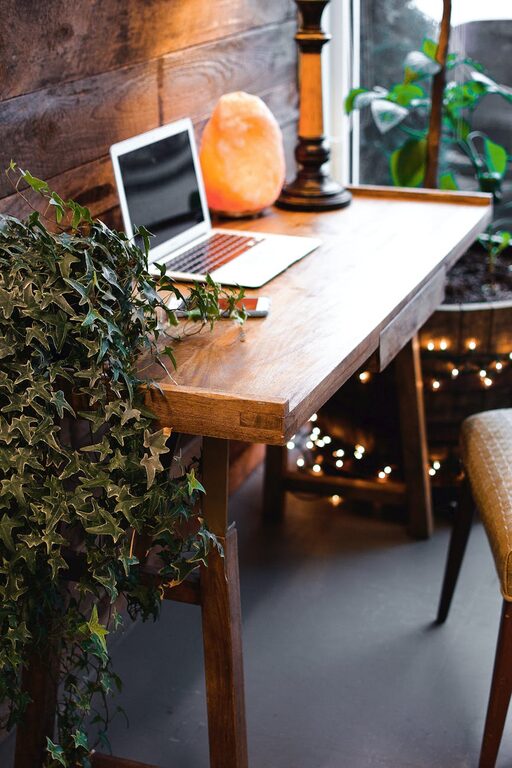
Creating a cozy and inviting home workspace is essential for staying motivated and focused throughout your workday. Whether you work remotely, freelance, or simply need a place to manage personal tasks, a well-designed workspace can make all the difference. This post provides helpful tips to help you design a comfortable, inspiring, and efficient space at home.
Why a Cozy Workspace Matters
The environment you work in directly affects your mood, creativity, and productivity. A workspace that feels welcoming and comfortable can:
– Reduce stress and distractions
– Promote better concentration
– Encourage positive work habits
– Make working from home enjoyable
With that in mind, let’s explore how to create a workspace that balances comfort and functionality.
Choose the Right Location
Finding the perfect spot in your home is the first step. When selecting your workspace location, consider:
– Natural Light: A spot near a window provides natural light, which improves mood and reduces eye strain.
– Quietness: Choose a low-traffic area where you can focus without interruptions.
– Space: Ensure there is enough room for your desk, chair, and any storage you need.
If space is limited, even a small nook or corner can be transformed into a cozy workstation.
Invest in a Comfortable Chair and Desk
Your furniture plays a crucial role in comfort and productivity.
– Ergonomic Chair: A chair with good lumbar support helps prevent back pain during long working hours.
– Desk Height: Choose a desk that allows your arms to rest comfortably at a 90-degree angle while typing.
– Adjustable Options: If possible, use adjustable chairs or desks to switch between sitting and standing.
Comfort reduces fatigue and encourages better posture, keeping you energized throughout the day.
Personalize Your Workspace
Adding personal touches makes your workspace feel inviting and unique.
– Colors: Use soothing colors like soft blues, greens, or neutrals to create a calm environment.
– Artwork and Photos: Framed pictures or artwork can motivate and inspire you.
– Plants: Adding greenery not only brightens the space but also improves air quality.
– Textiles: A soft rug or cozy throw can add warmth to the area.
Personalization helps create a positive atmosphere, making work more enjoyable.
Organize Your Desk to Minimize Clutter
A tidy desk fosters better focus and efficiency.
– Declutter Regularly: Keep only essential items on your desk.
– Use Storage Solutions: Utilize shelves, drawers, or organizers to store supplies out of sight.
– Cable Management: Use clips or covers to keep wires neat and avoid distractions.
– Daily Cleanup Routine: Spend a few minutes at the end of each day to tidy your workspace.
An organized area helps you stay on task and reduces the stress of clutter.
Optimize Lighting for Comfort and Focus
Proper lighting is key in preventing eye strain and maintaining alertness.
– Natural Light: Make the most of daylight by positioning your desk near a window.
– Task Lighting: Use a desk lamp with adjustable brightness to highlight your work area.
– Ambient Lighting: Soft overhead lighting complements task lights and reduces harsh shadows.
Avoid glare on your screen by positioning lights carefully and considering screen filters if necessary.
Incorporate Calming Elements
A workspace that promotes relaxation can enhance creativity and reduce stress.
– Aromatherapy: Use subtle scents like lavender or eucalyptus with diffusers or candles.
– Soft Sounds: Play gentle background music or white noise to drown out distractions.
– Comfort Accessories: Have cushions, wrist rests, or footrests to increase physical comfort.
These elements create a peaceful work environment that helps sustain focus.
Maintain Boundaries Between Work and Home Life
Keeping a clear separation between your workspace and living areas supports mental well-being.
– Dedicated Space: Avoid working in shared areas like the kitchen table if possible.
– End-of-Day Ritual: Close your laptop and tidy your desk to signal the end of work time.
– Visual Cues: Use a small divider or curtain to separate your workspace when not in use.
Setting boundaries helps you relax after work and maintain a healthy work-life balance.
Final Thoughts
Designing a cozy and inviting home workspace does not require a large budget or a full home renovation. With a few thoughtful choices in location, furniture, lighting, and personal touches, you can create a space that supports your productivity and comfort. Remember to keep your area organized and establish routines that promote focus and relaxation. Your ideal workspace is one where you feel motivated, calm, and ready to tackle your tasks every day.
