Creating a home office space that feels both cozy and productive can make a significant difference in your work-from-home experience. Whether you’re juggling remote work, freelance projects, or personal tasks, the right environment helps maintain focus while reducing stress. In this post, we’ll explore practical ideas and easy tips for crafting a home office that supports your goals and makes you look forward to your workday.
Why a Cozy and Productive Office Matters
The environment you work in influences how you feel and perform during the day. A cozy space promotes comfort and calm, which can lower anxiety and improve concentration. Meanwhile, a productive layout and organization keep distractions at bay and help maintain momentum throughout tasks.
Balancing these two elements — comfort and efficiency — is key. You want a space that invites you to settle in without distractions, supports long hours without fatigue, and reflects your personal style to keep things enjoyable.
Choosing the Right Location
Find a Quiet Spot
Select a part of your home that offers some separation from daily activity and noise. Near a window is great to benefit from natural light and fresh air, but if that area tends to be busy, consider a quieter corner, spare room, or even a well-organized closet.
Consider Space and Privacy
Make sure there’s enough room for your equipment and enough privacy for video calls or focused work sessions. If full privacy isn’t possible, noise-canceling headphones and room dividers can help.
Furnishing for Comfort and Function
Invest in an Ergonomic Chair
Your chair should support good posture, offering adjustable height and lumbar support. Sitting comfortably reduces back and neck strain, helping you stay productive longer.
Choose a Suitable Desk
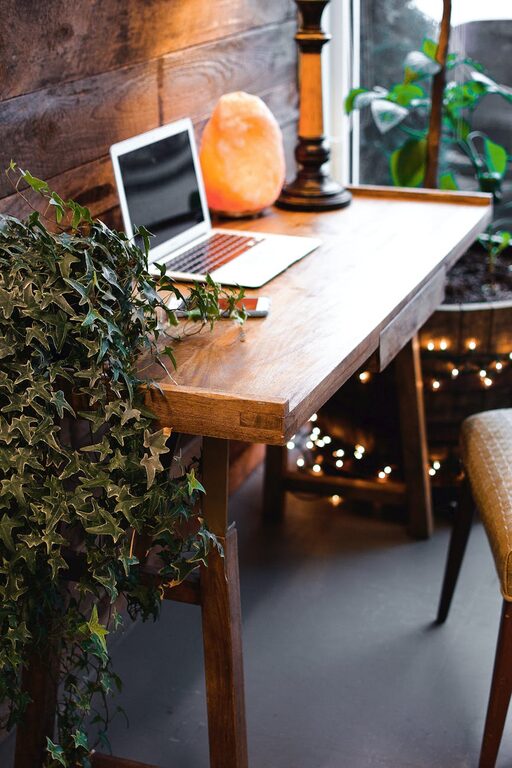
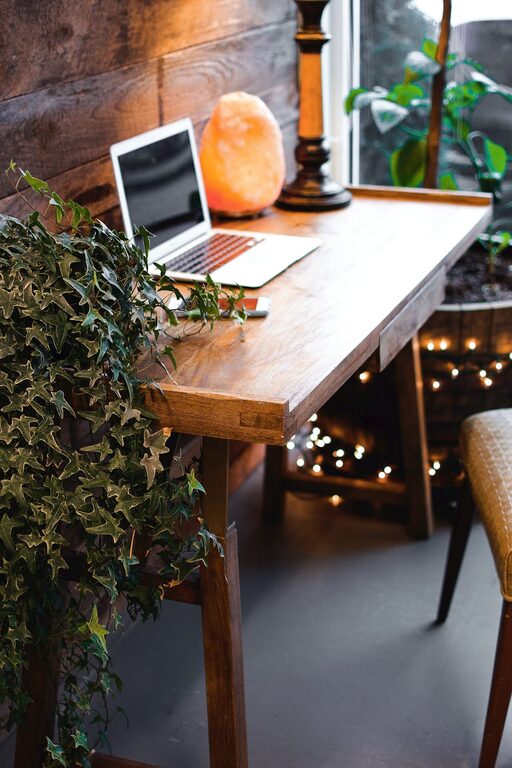
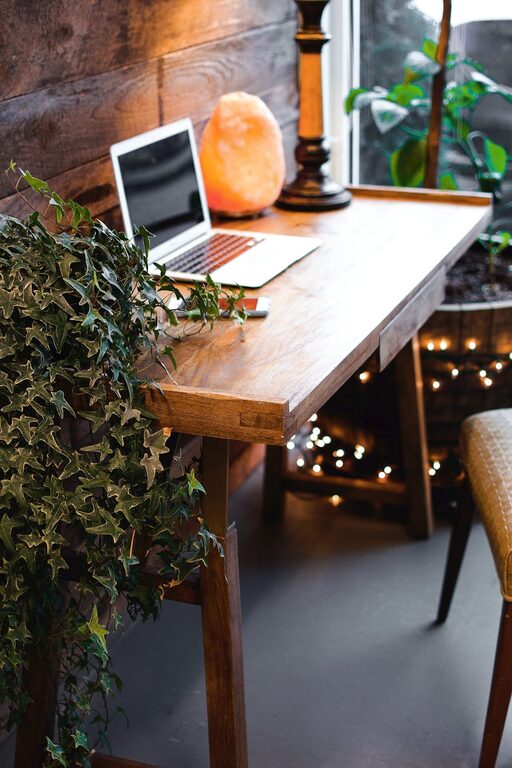
Your desk should fit your space and work style. Whether you prefer standing desks, corner desks, or simple tables, pick one with enough surface area for your computer, notepad, and other essentials.
Add Soft Textiles
Incorporate rugs, cushions, or throws to add warmth and soften the look of the workspace. These elements enhance comfort, make the room inviting, and can even help with sound absorption.
Optimizing Lighting
Maximize Natural Light
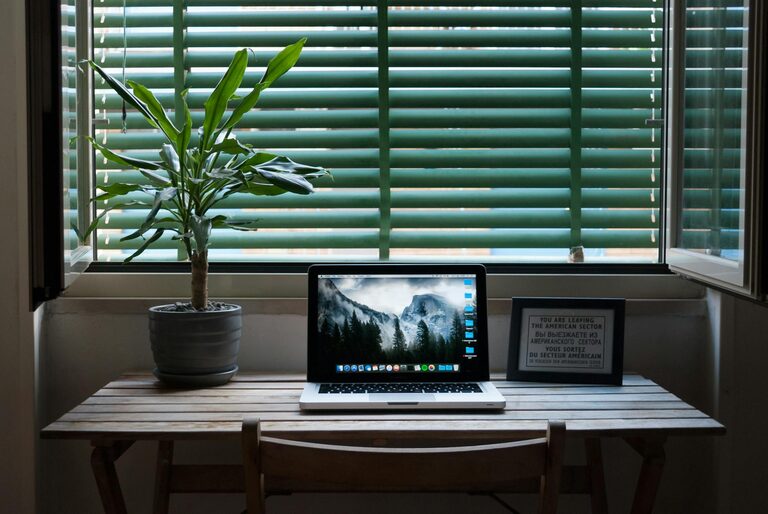
Try to position your desk near a window if possible. Daylight can boost mood and alertness, but be mindful of possible glare on your screen.
Use Layered Lighting
Combine ambient lighting (ceiling lights) with task lighting (desk lamps) and accent lighting (decorative lights). Adjustable lamps with warm bulbs create a cozy atmosphere while providing adequate light for detailed tasks.
Organizing for Clarity and Efficiency
Declutter Your Desk
Keep only frequently used items on your desk. Use storage boxes or trays for loose papers, pens, and chargers to maintain a clean appearance.
Use Shelving and Drawers
Having accessible storage reduces clutter and makes it easier to find things quickly. Label shelves or boxes if you have many supplies.
Set Up a Cable Management System
Tangling cables not only look messy but also cause frustration. Use clips, sleeves, or cable boxes to keep wires organized and out of sight.
Personal Touches to Inspire You
Incorporate Plants
Greenery can improve air quality and add life to your workspace. Small potted plants like succulents or peace lilies are low maintenance.
Display Meaningful Items
Photos, artwork, or motivational quotes that reflect your personality can boost positivity and make your office more inviting.
Use Color Mindfully
Colors affect mood — blues and greens tend to be calming, while yellows and oranges can energize. Choose colors for your office based on what you need most.
Establishing Boundaries and Routine
Define Work Hours and Breaks
Set clear start and end times for your workday to avoid burnout. Use a timer or calendar reminders for regular breaks.
Keep Work and Home Separate
Try to use your designated office space only for work. This physical boundary helps your brain switch between work mode and relaxation.
Final Thoughts
Designing a home office that is both cozy and productive doesn’t have to be complicated or expensive. Thoughtful choices around location, furniture, lighting, organization, and décor can transform a room or even a small corner into a welcoming, effective workspace. With these tips, you can create a space where you enjoy spending time and get more done with less stress.
Take your time setting up your office — it’s an investment in your daily wellbeing and success. Happy decorating!

Related Posts